Economic Growth and Development
Importance of Infrastructure in Economic Development

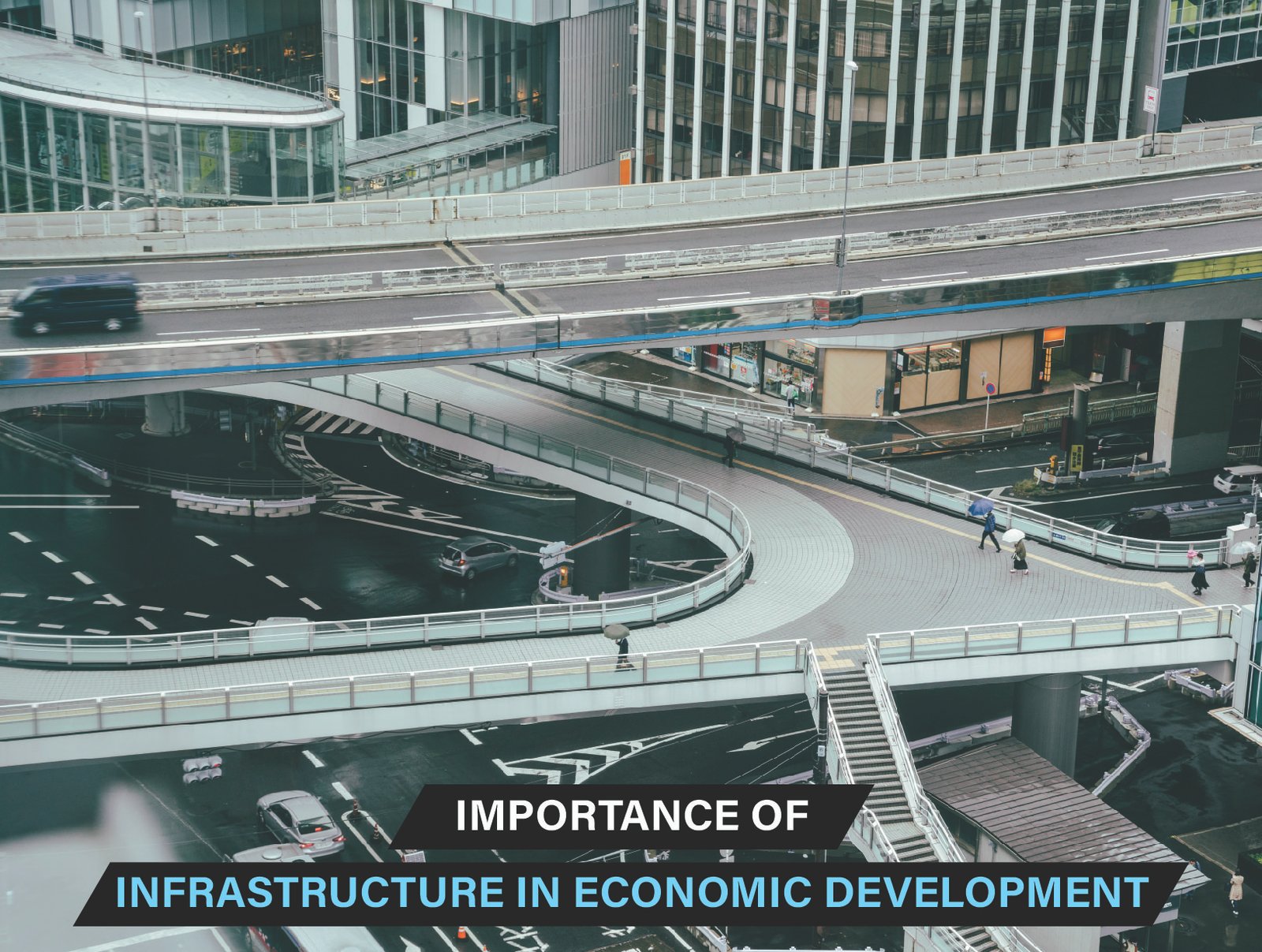
The backbone of a successful economy is infrastructure. It includes transportation systems, communication networks, energy supply and very necessary basic services, all which are important in the proper operations of the business and better lives. With roads, ports, power and even internet connectivity, good infrastructure boosts trade, encourages investment and creates employment. It increases efficiency by reducing transaction cost and enhancing market and service accessibility. On the contrary, insufficient infrastructure is a developmental inhibitor, an inequality exacerbator, and a potential crippler. The development of resilient, inclusive and modern infrastructure is getting increasingly more important with the evolution of global economies. In this paper, we will discuss how infrastructure can be significant in economic development, and how it will lead to long-term and sustainable growth in regions as well as across sectors.
Economic Benefits of Infrastructure
Quality infrastructure is a key to a better economy as it simplifies traffic of goods, services and individuals. Effective transportation systems are efficient in reducing travel time, transportation cost, effective energy and communication systems help business operations to reduce disruptions. With better accessibility to markets and resources, the level of productivity and competitiveness in all sectors rises. With infrastructure, the allocation of labor and capital is also enhanced thereby ensuring that industries run at optimal capacity. Urban and rural infrastructures are well-developed, which means that businesses are where they can expand, innovate, and make a more significant contribution to the overall economic output.
Facilitates Trade
The infrastructure is important in trade and its quality and efficiency. Delays in transportation are minimized by good roads, modern ports and efficient airports thereby reducing the costs of logistics. The developments have made it possible to have businesses transport goods more quickly and surely, hence widening their reach to both domestic and international markets. Improved trade infrastructure translates to competitiveness and supply chain resilience. The result of this is that companies are able to get their orders filled faster, experience less spoilage, less damage, and better respond to changes in demand which will in turn cause economic growth based on increased trade.
Boosts Productivity
Availability of a reliable infrastructure goes a long way towards increased production in all industries. Availability of electricity, clean water, and high-speed internet communications guarantee efficiency in the running of businesses with less disruption. Power failures or communication breakdowns due to unavailability of power may result in huge losses. Modern facilities permit remote working, automation, and supply chains, as well as free workers and equipment to work to their full capacity. As companies no longer dedicate their time to dealing with inefficiencies, they can shift more time to innovation and output and longer-term development.
Attracts Foreign Investment
This is because the foreign investors will gauge the quality of infrastructure and direct their investments accordingly. Good infrastructure minimizes the risk in the operations, low cost of entry and repair, and is an indication of a stable economic climate. This is important to companies establishing themselves in an unfamiliar location with reliability in accessing transport, energy and internet connectivity as factors. Legal and financial systems are also supported by infrastructure that makes doing business easier. Nations that have high-quality, effective infrastructure are more able to host multinational investors, generating employment and increasing inflow of capital.
Supports Industrialization
Industrialization cannot be carried out without proper infrastructure. Manufacturing facilities, mining, and mass-scale agriculture require stable electricity, water, and transport infrastructure. The transport of raw materials to factories and finished products to markets requires roads, railways and ports. The presence of a strong infrastructure grid also spurs the growth of industrial belts and supply chains. Industrial activities are made more feasible and expandable when infrastructure exists leading to quicker transition of countries to the industrialized stages of economies.
Reduces Regional Inequality
The rural and under-serviced areas, through the importance of infrastructure, provides a connecting bridge in economic differences between the urban and marginal areas. Governments can develop local economies by constructing roads, schools, health centers, and even internet connectivity in these areas to create greater access to services. This promotes business endeavour, eases the strain on urban areas of migration and improves the quality of life. By increasing the number of individuals with equal access to infrastructure, the aspect of inclusiveness in economic development is enhanced, and communities are enabled to reverse poverty levels as new opportunities as well as services present themselves.
Social Impacts of Infrastructure
Infrastructure is a key to social development as well as the contributor to economic growth. It increases the rate of accessibility to education, healthcare, and employment opportunities since it links individuals to vital services. Safer, healthier, and more equitable communities are achieved through enhancing the roads, public transit, and utilities. Infrastructure gives power to marginalized groups because it decreases isolation and widens opportunities. Well-planned infrastructure benefits society, ranging across clean water, broadband internet to social inclusion, human development, and ultimately the quality of life of all citizens.
Improves Education Access
The importance of infrastructure in the enhancement of access to quality education. To support learning, schools need dependable energy to make the school bright and put technology available, clean water to maintain hygiene and internet connectivity to engage in digital learning. Good roads and transportation facilitate movement to and for schools, either by students or teachers, especially in the rural setting. Better infrastructure will diminish drop-out rates, increase student achievement, and allow greater access to learning resources. It can narrow the urban-rural schools divide since the opportunities of learners of any background will be more balanced.
Enhances Healthcare Delivery
Infrastructure is synonymous to the availability of good healthcare. Hospitals and clinics can operate only when supplied with clean water, stable electricity and when their roads are in good condition. Emergency, medical equipment, and supplies require proper transport systems to ensure that patients access them in time. Healthcare delivery cannot be done in a timely way without a stable infrastructure, especially in underprivileged regions. By improving infrastructure in health sectors, there can be an improvement in patient outcomes, disease prevention, and an improvement in the overall health of the people including, periods of emergencies or natural disasters.
Promotes Social Mobility
Infrastructure allows free movement of people and offers access to economic and education opportunities that were once inaccessible. Better roads, transport, and communication networks expose rural dwellers to the urban labor force, university, and colleges, and health facilities. This access plays a critical role in the elimination of chained poverty and growth in upward social mobility. As soon as people are able to travel safely and cheaply, they will be in a better position to better their lives, give back to society as well as allow them to be more equal participants in economic development.
Supports Urban Development
The importance of infrastructure is the main component to control and direct urban development. Cities require interlocked grids of transport, energy, water and waste management in order to be active and comfortable. Properly developed infrastructure, which facilitates sustainable housing, alleviates congestions, and environmentally friendly growth, is highly desirable. It enables the urban districts also to consume population growth without reducing the quality of services. Cities that invest strategically in infrastructure are economically, socially, and environmentally successful and able to meet the needs of residents, business, and even the delivery of public services.
Enables Digital Inclusion
In our modern world of digital life, communication infrastructure contributes greatly to social inclusion through broadband. Fast internet reduces isolation of people by providing access to education, medical, financial services and jobs. In the case of a remote or rural population, digital infrastructure destroys participation impediments in the contemporary economy. It decreases the level of isolation, increases innovation, and equal information access by facilitating virtual connectivity. Digital infrastructure investment is critical in making sure that no group is left behind in the digital revolution of the world.
Types of Economic Infrastructure
There are a number of physical systems, which contribute to productivity and trade, such as economic infrastructure. Essential ones involve transport networks, systems of energy supply, communication technologies, water and systems of sanitation, and logistics centers. Both of them have their own distinct use in the conduction of economic activity. As an example, goods can be moved through roads and railways, and digital services are promoted through telecommunications. Industries are able to run efficiently due to energy and water infrastructure. It is critical to understand the various purposes of these systems when it comes to balanced development, strategic planning, and optimizing the contributions of infrastructure to stability and growth of the economy in the long-term perspective.
Transport Infrastructure
Transport infrastructure consists of rail, roads, ports and airports, which are essential systems of transporting goods and moving people efficiently. Advanced infrastructure of transport systems lowers the traveling costs and time and increases the availability of supply chains and markets. The importance of infrastructure assists in both intra and international trade, urban and rural transportation and labor transport. Transport networks also improve emergency response and disaster relief response, and are therefore key economic groundwork on economic stability and growth in all sectors.
Energy Infrastructure
Energy infra structure includes power generation facilities, transmission line and sources of renewable energy which supply constant and reliable electricity to households, commerce, and industries. Industries, technology advancement, and everyday living require a certain level of stability in energy supply. Improving investment in energy infrastructures that include solar power, wind power, and hydroelectric power help in achieving sustainability but will also lessen the dependency on fossil fuels. Productivity and investment due to availability of energy without interruption as the result of reliable energy infrastructure.
Water & Sanitation
Sanitation and water facilities play a crucial role in agriculture, health of the population and industrial operations. Clean water curbs circulation of diseases, enhances living standards, and assists food production. Well-designed sanitary systems preserve ecosystems, help in environmental sustainability, and avoid contamination. Manufacturing industries and cooling processes depend on the water in the industries. To ensure operational efficiency, sustaining an economy and protecting human health, investment in water and sanitation infrastructure is crucial.
Telecommunication Networks
The importance of infrastructure it gives the world in telecommunication like the internet and mobile connection is the basis of the current business, communication, and innovation. Faster broadband and ubiquitous mobile connectivity can be used to conduct business successfully, facilitate remote work and open possibilities of acquiring online services. Telecommunication networks make data exchange in real time, enhance market information flow, and enhance pedagogical growth. It is important to build these networks, particularly in underprivileged regions, to facilitate the digital gap and foster the inclusive economic activities.
Logistics and Storage
Logistics and storage capabilities include warehousing facility, freight terminal and distribution centre which simplifies supply chains. Efficient logistics help to cut down on the number of times the inventory is held resulting in less wastage as well as timely transportation of goods. Properly maintained storage facilities ensure that products do not spoil or get damaged resulting in more efficiency of operations. These factories serve not only national markets but also enable global trade, which makes companies capable of adjusting the workforce directionally towards demand changes and develop in a sustainable way.
Challenges in Infrastructure Development
Although it has great potential of transformation, implementation of infrastructure may be characterized by setbacks. The lack of funds is a major hurdle especially in the developing nations where there still exists a funding gap. There is always a risk that projects can be stalled, by bureaucratic red tape, and regulatory delays, and efficiency and quality can be undermined by corruption and mismanagement. There is the likelihood of community response to environmental issues and land acquisition. Moreover, lack of proper planning on maintenance makes assets depreciate quickly. To overcome these challenges, infrastructure development should comprise transparent governance, creative financing and planning that keeps infrastructure to allow long-term value of infrastructure projects and stimulate equal progression.
Funding Limitations
There are instances when infrastructure projects require a lot of initial capital and much of the governments fail to fund them individually. The high prices require additional funding, whether through public-private partnerships (PPPs); international financing, or development financing. It is essential to get sustainable and transparent financing to prevent delays and unfinished projects. Unless well funded, the quality and coverage of infrastructure is low and it cannot support economic development. New models of finance and partnering are vital to overcome the gap in funding and deliver the project on time.
Regulatory Delays
The price of infrastructure development may become very delayed due to complex and long regulatory approval processes. The process of project confirmation can be tied up in layers of permits, environmental reviews and bureaucratic reviews. Such delays end up hiking up the costs and deter involvement of the private sector. There should be streamlining the regulations and enhancing the coordination of government agencies to hasten infrastructure planning and construction. The effective regulatory mechanisms are fast track but at the same time ensure that projects are not accelerated so far as to undermine the safety or sustainability measures envisioned.
Corruption and Mismanagement
The barriers to infrastructure development include corruption and poor governance; corruption and poor governance do pull funds and resources out of the intended projects. Ill direction results in excessive expenditures, postponement, and inadequate quality of the builds. These problems diminish the degree of trust among the people and discourage investors. To fight corruption, there is need for transparency, accountability and good institutional structures. By observing rigorous tender processes, checking apparatus, and independent audits, infrastructure investments lead to optimal value and economic growth at hand.
Environmental Concerns
Environmental impact of infrastructure projects should be well thought about to realize sustainable development. Major building activities can potentially break ecosystems, add to pollution, and evict communities. Effective management of ecological protection and infrastructure enlarging might be achieved due to thorough environmental impact assessment and the involvement of stakeholders. The integration of green technologies and sustainable activities reduces damage, but promotes economic sustainability. Environmental considerations can be approached in a way that prevents or mitigates conflicts, legal disputes, and keeps the project in line with climate objectives.
Maintenance Issues
Failure to maintain infrastructure assets on a continuous basis will result in degradation within a short period of time hence diminishing efficiencies and resulting in short term costs. Roads, bridges, power grids, and water systems that are poorly maintained may collapse leading to economic improvisations and safety threats. Maintenance is required in order to maintain the lifespan of infrastructure and the benefits by regularly checking and maintaining it. Most of the areas have been struggling to invest adequate funds and organize good maintenance plans. Emphasis on maintenance as well as new construction is crucial in ensuring maximum infrastructure investments and ensuring sustained economic backing.
Future of Infrastructure in Economic Growth
The infrastructure of the future will depend on adaptability, sustainability and application of technologies. Digital tools and data are helping to make smart infrastructure systems more efficient and useful in delivering services. The green solutions in infrastructure are lessening the environmental effects and coming with climate objectives. The development of public-private synergy is transforming various funding and project settings. Inclusive Future development will also ensure that infrastructure is used to serve the needs of diverse communities in an equitable manner. With climatic changes and rapid urbanization, economies are experiencing a shift in infrastructure development moving towards enhanced stability, elastic growth, and the option to foster inclusive economic development in the long term.
Smart Infrastructure
Smart infrastructure uses newer technologies such as The Internet of Things (IoT) and Artificial Intelligence (AI) to streamline governance of city and transportation infrastructure as well as utilities. These are made possible through sensors and data analytics which can provide real time monitoring, predictive maintenance and efficient resource distribution. This is the technology assisted practice that saves on time wastage, which increases the quality of service and livelihood in the city. Improving infrastructure flexibility and responsiveness, smart systems help attain economic productivity and environmental sustainability and enhance the quality of life of citizens.
Sustainable Practices
The considerations of sustainable infrastructure put an emphasis on limiting impacts on the environment via environmentally friendly buildings, alternative sources of energy, and environment-friendly transport. The use of low carbon material and energy efficient designs minimises materials use and pollution. Sustainable practices can reduce the effect of climate change on the one hand and, on the other hand, ensure economic development propelling new green jobs and technologies. To ensure that future generations do not suffer at the expense of the present, governments and businesses are increasingly concerned with sustainability to comply with their regulatory frameworks, as well as the expectations of the societies in which they operate.
Public-Private Partnerships (PPPs)
The Public-Private Partnerships are cooperative alliances between the government and privately owned enterprises toward funding, construction, and management of infrastructure transactions. PPPs will assist in addressing funding constraints given that they use private sector capital and knowledge in completing projects faster. They are also promoting innovation and risk-divisions and making projects to be of better quality and efficiency. Effective PPPs demand clarity in contract, transparency, and congruence in goals to achieve a set of objectives that meets the public interest at par with profitability. It is a critical model in adding infrastructure capacity in most of the countries experiencing budgetary issues.
Inclusive Planning
Inequality Infrastructure planning entails the participation of various communities and stakeholders in infrastructure planning so that there is a meeting point of the infrastructure project and the needs of the various populations. Planners can consider issues of social equity and accessibility by including feedback of marginalized people. The participatory nature will minimize the resistance, enhance the relevance of the project, and create community ownership. Inclusive planning assists in crafting infrastructure to accommodate a wide range of economic activities and social services, which eventually deliver more equitable and sustainable outcomes of development.
Global Connectivity
International inter-connectivity infrastructure, e.g. regional rail systems and international fiber-optic links, promotes international trade and coordination. Insurance of better physical and digital connectivity lowers transport and communication costs, eliminating bottlenecks in goods, services and information movements. The activity enhances economic integration, market access and cooperation between nations. Global infrastructure investment enhances economic resilience as well as competitiveness, especially in the contemporary highly interconnected and interdependent world economy.
Conclusion
Economic development relies heavily on infrastructure as this determines productivity, trade, investment and living standards. Lack of it causes slow growth and increased inequality. Economies grow and change, and so does their infrastructure; increasing their smartness, green-ness, and inclusiveness. Infrastructure spending does not only lead to immediate job growth but also provides a foundation to future success. All governments, companies and international allies should collaborate in order to surmount the hurdles and develop facilities that can enable the attainment of sustainable economic futures.
Do you want to put some money in better infrastructure in the quest of building a stronger economy? Constructive thinking, funding viable initiatives and ensuring there are policies that will support the long term development should be encouraged. Together we are able to create a connected, resilient and inclusive future.
FAQs
1. What is economic infrastructure?
Economic infrastructure comprises transportation systems, and energy, water, and communication networks, which are required to go into production and trade.
2. What is the way in which infrastructure enhances economic growth?
It has the effect of improving efficiency, attracts investment, costs, and opening of new markets.
3. Why should rural infrastructure be important?
It lowers the regional differences, integrates communities and economies, and opens economies.
4. So how do governments get involved in infrastructure development?
The governments directly finance, regulate and plan the infrastructure projects to fulfill the interest of the people and economy.
5. What are the impacts of infrastructure on employment?
It generates first order constructing work and backs industries that cannot operate without good infrastructure.
6. What are the PPPs Importance of Infrastructure?
Public-Private Partnerships entail government cooperation with the international capitalist to invest and operate infrastructure.
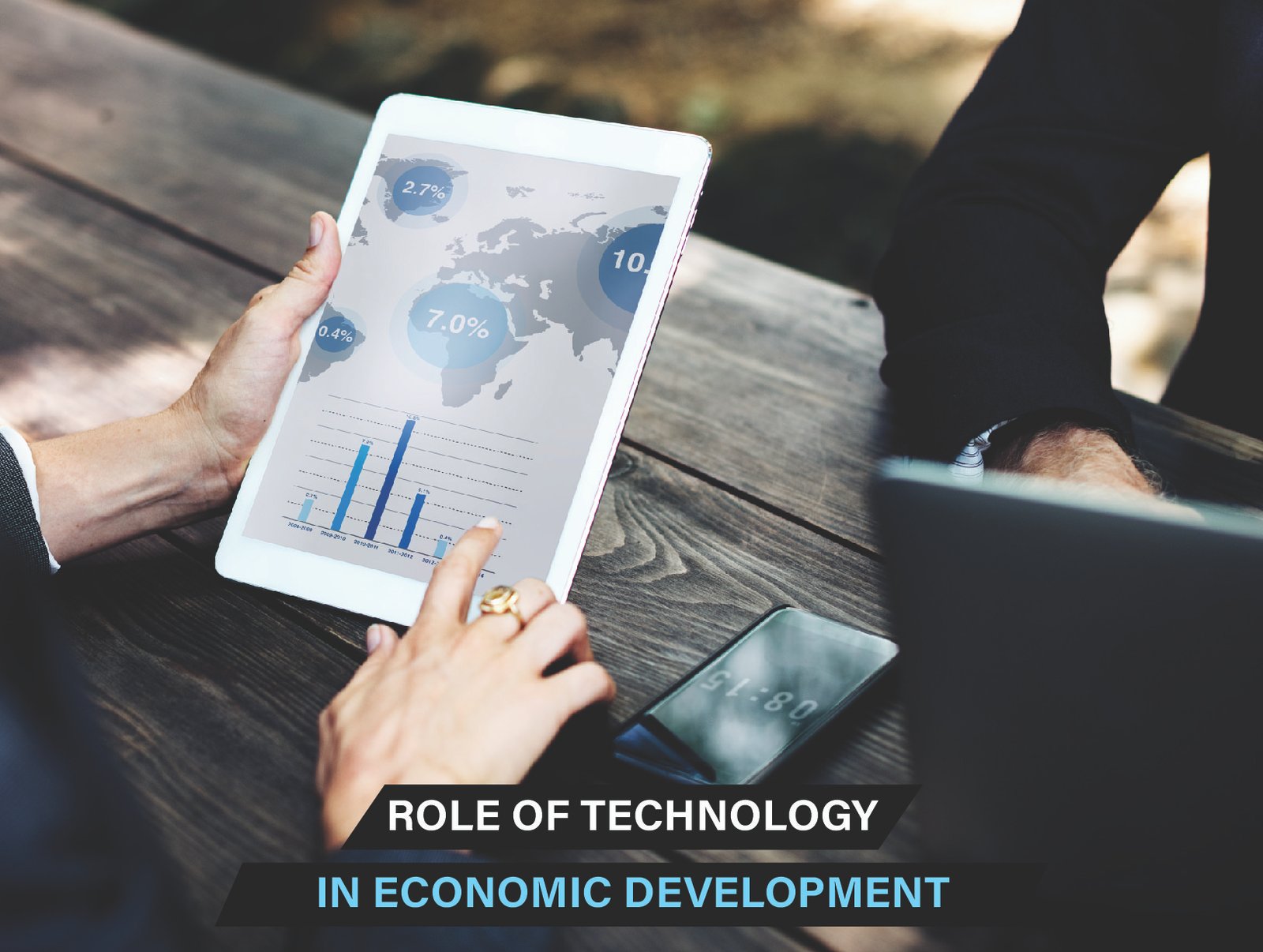
In the world today technology has been seen to become a major agent of economic development. It boosts productivity, efficiency in work, and creates new opportunities of innovation in the industries. Technology is revolutionizing the workings and the development of economies in all aspects including agriculture and manufacturing, healthcare and education among others. Digitized environments allow conducting communications quickly, making better decisions, and having broader access to resources and markets. Besides, technology is instrumental in the creation of new job opportunities as well as upskilling of labor forces thereby making economies stronger and competitive. States with focus on tech adoption tend to grow fast and develop in a sustainable way. The third principle is that the global economy continues to grow more digitized, with technology deployment being a strategic pillar of national development leading to long-term success and inclusive prosperity.
How Technology Transforms Economies
Technology is transforming economies by increasing productivity, lowering cost of operations as well as unveiling new markets. The Digitization and automation of the production process reduce its cycle allowing a business to operate more with the minimum amount of resources. Internet and global trade Internet connectivity enables traders across the globe as well as help entrepreneurs capture larger demographics. Technology also helps to create economic inclusivity by working remotely in underserved areas and by providing digital service. These advanced forms of technologies are genesis to the rapid growth and development, efficiency, and resilience of governments and industries in the face of economic shocks, which are basic premises to long-term development.
Automation in Manufacturing
Innovation Automation is changing manufacturing by simplifying production processes and minimizing the human labor dependency. Factories can work more productively and regularly with the working procedures distributed to machines and robotics and its use reduces cost in production and risk of human error. The result is improved output, enhanced quality control and reduction of time-to-market. Moreover, automation makes it possible to operate round the clock, which increases productivity tremendously. This consequently leads to more competitive manufacturing economies that are able to serve the world, as well as respond to market dynamics rapidly.
Digital Infrastructure
High speed internet, cloud computing and data centers are robust digital infrastructure that is characteristic of modern economic growth. It allows companies to be efficient, communicating with international markets, and providing the delivery of services in new places. All the spheres represented by e-commerce, telehealth, online education, and digital banking rely on digital infrastructure. In rural areas or less developed regions, expansion of the internet connection fills the digital gap, enhances inclusiveness and generates additional economic opportunities. It is an important infrastructure investment into which foreign investment and innovation flows and therefore fundamental building block of sustainable development.
Fintech Innovation
Financial technology also known as fintech is transforming the manner in which individuals and companies access and control money. Peers-to-peers lending and blockchain, as well as mobile banking and digital wallets, offer cheaper, faster, and more inclusive alternatives to financial services. The tools are particularly revolutionary in underserved markets where analytics are non-existent or scanty in traditional banking infrastructure. Fintech provides small companies with access to capital under easier terms and assists individuals in credit and savings. Fintech encourages entrepreneurship by enhancing financial inclusion, alleviates poverty and increases participation and growth in the economy, in general.
E-commerce Growth
E-commerce has completely widened the economic arena of businesses large and small. In online marketplaces and online shop fronts, businesses can access both national and global customers without having any physical retail area. This decreases the barrier of entry into the business and facilitates size scalability. Both consumers and sellers are advantaged since consumers are provided with easier access and a broader range of products, and sellers are presented with data-informed analysis to target their offers. Digital commerce also boosts other industries such as logistics and online advertising, generates employment, and rapidly digitalizes whole economies.
AI and Data Analytics
Among the most effective technologies of enhancing decision-making and operational efficiency are artificial intelligence (AI) and data analytics. Companies use AI to anticipate consumer behavior, automate customer support and supply chains. Data analytics can reveal some insights that can aid companies in making wise resource allocations, demand forecasts, and tapping new opportunities. Data is also used in policy planning and provision of services by government. AI and analytics promote more intelligent, quicker economic action and innovation by lowering wastage of products and maximizing production, and these are essential elements of an advanced, tech-based economy.
Impact on Education and Workforce Development
Technology is transforming education by becoming more accessible, flexible, and quality learning. The use of online application and the digital tools eliminates the distance between education and the student; made accessible to any student and at their own pace. Such advances facilitate vocational training and lifelong learning, as well, which is necessary when it comes to changing job market requirements. Education through technology is making the workforce better informed and prepared in terms of digital and technical skills that they require to take up future jobs with the change in industries. When countries put funds into edtech and digital literacy, they can establish a more competent, innovative, and internationally competitive workforce.
Online Learning Platforms
Online educational systems have opened up education and made it more flexible and inclusive. They enable students in any place to get quality courses (usually at a lesser cost than the traditional institutions). This democratizes the process of learning, bringing opportunities to the people that may not be available due to cost, distance or time issues. Such platforms as Coursera, edX, or Khan Academy aid not only formal learning but also lifelong learning and help to equip the workforce with a set of skills necessary and allow people to keep up their competitiveness throughout constantly evolving job markets.
Virtual Classrooms
The virtual classrooms help close the educational gap by allowing instantaneous interaction between the learners and the instructors without regard to their geographical dispersion. These virtual classrooms support collaborative learning, live classroom discussions and immediate feedback, mimicking a conventional classroom. In rural or underserved regions, virtual classrooms offer access to teachers, materials and curricula that would otherwise be unattainable to students. They also provide educational continuity in case of an interruption such as pandemic or natural disasters, thus becoming a crucial resource toward the creation of an inclusive and resilient education system.
Digital Literacy Training
In the world that is consumed by technology today, digital literacy is a must. Such training programs on simple and advanced digital abilities equip people with the experience to apply technology in the personal and professional sphere of life effectively. This comprises all that is involved in employing productivity software as well as how the internet is traversed, cybersecurity, and data privacy. The improvement of digital literacy provides access to tech-enabled employment opportunities, enhances employment, and decreases the digital divide. It is a starting point of creating a digitally literate workforce capable of addressing contemporary needs in the economy.
STEM Program Expansion
Increasing Science, Technology, engineering, and Mathematics (STEM) Degrees, are very important in developing innovation and a sustainable economy. These degrees encourage problem solving, critical thinking and technical proficiency capabilities which are critical to fast-growing technology areas such as AI, robotics, and biotechnology. Institutions and governments are turning more attention towards investing in STEM in an attempt to ensure students are equipped to work in future job markets and also promote research and development. In addition, encouraging the STEM disciplines at early childhood to higher levels of education enforces an innovation culture and contributes to long-term economic prosperity.
Workforce Reskilling Programs
The reskilling programs assist workers to remain relevant in the workplace despite the changes being witnessed in the industry as a result of automation and digitalization. Such programs offer courses in novel domains like information analysis, code writing, online marketing, and cloud-based computing. They are particularly important to those people who work in the areas that are already deteriorating, providing the solution to move to the new industries, which are developing. Governments, businesses, and educational institutions support reskilling initiatives, which makes the labor market more adaptable and stable and makes sure that the economic development does not leave any population segment less fortunate.
Enhancing Business and Innovation
Technology takes the form of a business growth and business innovation driver. It allows organizations to automate their work, improve the experiences of their customers, and better understand their data. AI, cloud computing, and other collaborative tools minimize the cost of operation and enable agility and responsiveness. Digital platforms and tools enable startups to enter the market easily whereas established organizations obtain competitive advantages via innovation and digitalization. The emerging new product development through the application of technology, the shortening of time-towards-market and global enterprises through technology have resulted in a vibrant and very strong business environment.
Cloud Computing
Cloud computing allows a business to scale easily providing rapid access to computing, storage, and software resources without big capital expenditure. This elasticity enables businesses to develop and grow programs with a short notice, minimize IT expenses and gain access to the advanced tools. It also promotes remote working, information sharing, and real-time analytical capabilities, in addition to agility and decision-making. The cloud especially helps smaller firms and startups to compete with larger enterprises because it allows them to access powerful technologies at relatively low costs.
R&D Advancements
Technology is enhancing research and development (R&D) by making experimentation, collaboration and analysis of results easier. Simulation software, AI modeling, and 3D printing allow a more cost effective and efficient development of products. With cloud-based solutions, the researchers operating in different locations worldwide can work at the same time and accelerate innovation and time-to-market. The innovations aid companies to remain competitive and attentive to market needs. Consequently, technology-led R&D is not only the great force behind innovation, but also the important factor in economic development and international competitiveness.
Intellectual Property Protection
Digital technology is valuable in the protection of intellectual property (IP) including patents, trademarks and copyrights. Blockchain and websites provide secure means of registering, storing and observing IP rights. Such instruments also minimize the chances of infringement and simplify the legal procedures of guarding innovations. Efficient control of IP promotes innovation and reinvestment into novel concepts by making innovators and companies able to profit off of their concepts. Well-designed technology driven IP systems are crucial towards attaining a robust and innovative economy.
Collaboration Tools
Automated collaboration tools like Slack, Microsoft Teams, Zoom, have swept the paradigm of the way teams work by making it extremely easy to communicate, manage projects between different locations and time zones. Such platforms facilitate file sharing, real time updates and integrated workflows that help to be more productive and to minimise delays. Collaboration tools are very beneficial to the extended team especially in hybrid and remote working situations that enable connection and avoid miscommunication. These tools enhance coordination and communication and eliminate communication gaps hence making businesses more agile, productive, and innovative globally.
Startup Ecosystems
Technology is important in terms of supporting startup ecosystems by reducing the entry barriers and making it quick to develop. Now entrepreneurs can create and grow businesses at a pace, and cost, like never before due to the affordable availability of digital tools, cloud services, and online marketing tools. Technology is also used in incubators, accelerators and co-working spaces to facilitate networking and mentorship. Such ecosystems drive innovation, investment and generate employment.
Role in Agriculture and Rural Development
The new technology can be considered the key factor in changing agriculture and revitalizing the rural population. Introductions such as precision farming, GPS led equipment and surveillance systems using drones have allowed farmers to achieve higher yields, improve resource management and minimize environmental degradation. Farmers can access mobile applications to get access to current weather conditions, market prices, and supply chains to enhance profitability and transparency. Technology maintains accessibility to education, health as well as financial services in the rural areas thereby bridging the gap between the urban and countryside. Technology allows reaching high levels of productivity and connectivity, which may transform the economy of rural areas to prosperity and better integration into the national economy.
Smart Farming Techniques
Smart farming Internet of Things (IoT) devices and sophisticated sensors can be used to provide real-time soil health, moisture content, and crop conditions. These technologies should help farmers make data-driven choices that would help optimize the use of resources and increase yield whilst decreasing the environmental repercussions. The precision farming technology can facilitate specific irrigation, fertilization and also pesticide application, which leads to higher efficiency and reduced costs.
Mobile Market Access
Mobile technology has enhanced farming since farmers have an opportunity to access market prices, weather conditions and potential buyers via mobile applications and Short Message Services. This has improved the bargaining power and income of farmers since they become informed about where and when to sell their produce. Moreover, there is the availability of mobile platforms to connect to suppliers, agricultural advisors and financial services.
Agricultural Drones
Farming has gained a new trend in the use of agricultural drones that are able to give aerial surveillance of crops and farms. Such drones can identify plant health, track the growth of crops, and map a broader area in a short period and with accuracy. They are also precise in the application of fertilizers, pesticides, and water to cut wastages and overall environmental strains. Drones allow farmers to make a decision to optimize operations and reduce expenses by providing detailed data and efficient utilization of input. The technology improves agricultural outputs and assists in more intelligent, sustainable agriculture, especially on large or inaccessible fields.
Weather Forecasting Tools
Modern agriculture highly depends on precise weather forecasting tools. Local and real-time predicted values will benefit farmers to plant, irrigate, and reap at the right time. Such tools minimize losses of crops related to extreme weather or a drought, floods, or storms. Mobile and satellite-based systems enable updates in an accessible form that means it is possible to rapidly respond to the changing conditions. Through production of better forecasts, weather forecasting technology increases resilience, optimizes yields, and protects the livelihoods of the farming communities by improving predictability and, thereby, reducing uncertainty.
Supply Chain Digitization
The agricultural supply chain is enhanced by digitalization to become more transparent, trackable, and efficient in the farm to market. Utilizing technologies such as barcoding, RFID, and blockchain can enable the farmers, distributors, and retailers to have real-time control over their goods and limit spoilage and time delay. The systems also enable optimization in the areas of inventory management, transportation logistics and maintaining of quality. Supply chain digitization improves profitability and encourages farmers to meet market demands better by reducing costs and building trust between the stakeholders.
Improving Healthcare Systems
Healthcare is being advanced greatly by technology which is making populations more vulnerable and hence productive. Telemedicine increases access to medical consultations in distant places, whereas electronic health records enhance care accuracy and coordination. Artificial intelligence is beneficial in diagnosis and the planning of treatment at an early stage, and wearable technology can encourage preventive health care. The technologies of healthcare also automate administrative tasks, making it less expensive and convenient. Such new innovations are not only enhancing an individual but creating less absenteeism levels within the workforce and increasing the life of economic productivity. An advanced healthcare system based on technology enhances the infrastructure of public health and enables long-term socioeconomic growth.
Telemedicine Services
Telemedicine is the Digital Communication technology that aims at linking patients and healthcare experts without physically visiting them. It has been particularly useful to those who are in under served or distant communities where access to healthcare facilities is minimal. Telemedicine increases access to diagnosis, treatment and follow up through video calls, remote monitoring and on-line consultations.
Electronic Health Records
Electronic Health Records (EHRs) ensure that the medical history of patients is stored in digital formats hence accessible by authorized medical professionals without difficulties. EHRs enhance continuity of care in the sense that it provides up-to-date and accurate information during the diagnosis and treatment. They lessen administrative mistakes, make the work processes more straightforward, and allow the specialists to cooperate with one another easier. EHRs have the potential to enhance evidence-based medicine and facilitate more efficient, patient centered healthcare systems through greater data security and interoperability, which in turn result in improved outcomes and optimal utilization of resources throughout the sector.
Medical Research Platforms
With the help of medical research based on AI, it is possible to speed up the process of creating a new treatment or therapy. The huge sets of data can be viewed and analyzed on these sites to discover trends, mimic drug interactions, and predict disease progression. Technology also decreases the time and costs of the clinical trials and drug discovery by automating and improving the processes involved in research. This will make it possible to increase quick response in case of health crisis and emerging diseases. Researchers can also collaborate across the world via such platforms and innovation can also be facilitated to bring greater frontiers to the field of modern medicine.
Health Apps and Wearables
Along with fitness trackers and smartwatches, health apps allow the person to be in control of their health. These devices watch vital signs, physical activity, sleep patterns, and so on, promoting preventative treatment and early intervention. Users get personalized advice and promptness encouraging a healthy lifestyle and habits. Another advantage of using wearable data by healthcare providers is its contribution to diagnosis and treatment planning.
Mobile Clinics
Mobile clinics are trucks or buses with medical tools stocked up and healthcare professionals that provide quality services to the disadvantaged communities. The mobile units offer screenings, vaccines, check-ups, and minor treatments, and enhance portability and care availability in lower populated regions or remote locations. They are useful when it comes to emergencies and public health campaigns as they address the populations that have difficulties in transportation, financial, or infrastructural reasons.
Conclusion:
Technology is not only a means, but is a revolutionary player in the Economic Development. Its ripple effects are felt in the field of education, in health care, in agriculture and innovation to ripple effects of growth, individual empowerment and fortification of nations. The Investment in technology makes the countries efficient, robust, and competitive in the international market. Looking into the future, inclusive and sustainable technology strategies will be considered as part and parcel of achieving equitable economic development among people. An acceptance of these changes provides a guide to sustained future prosperity and sustainability.
Find out how to make your business or community move by the embrace of technology. The first step involves investing into digital tools, education, and infrastructure. Become a part of the wave of innovation-due to the fact that the future of economic development is digital. Get in touch with us today on how to use technology to develop a sustainable economy.
FAQs:
1. How does technology play into economic growth?
Technology improves productivity levels, efficiency, and innovation; which are the major factors of an economic growth.
2. What are the roles of digital infrastructure in enabling economies?
It facilitates and enhances business operations, access to services and connectivity.
3. Can money do the same thing to increase the poor?
Yes, through enhanced education, access to job opportunities and better inclusion in deprived regions.
4. What can be some examples of agricultural tech?
There is smart irrigation, drones, mobile market apps, and soil sensors to enhance productivity.
5. What are the benefits of technology to small businesses?
It reduces entry barriers, expands coverage through e-commerce, and automates the processes.
6. What is the significance of tech in education?
It facilitates distance education, strengthens interaction, and encourages digital literacy
Economic Growth and Development
Understanding Development Economics and Poverty Reduction Strategies
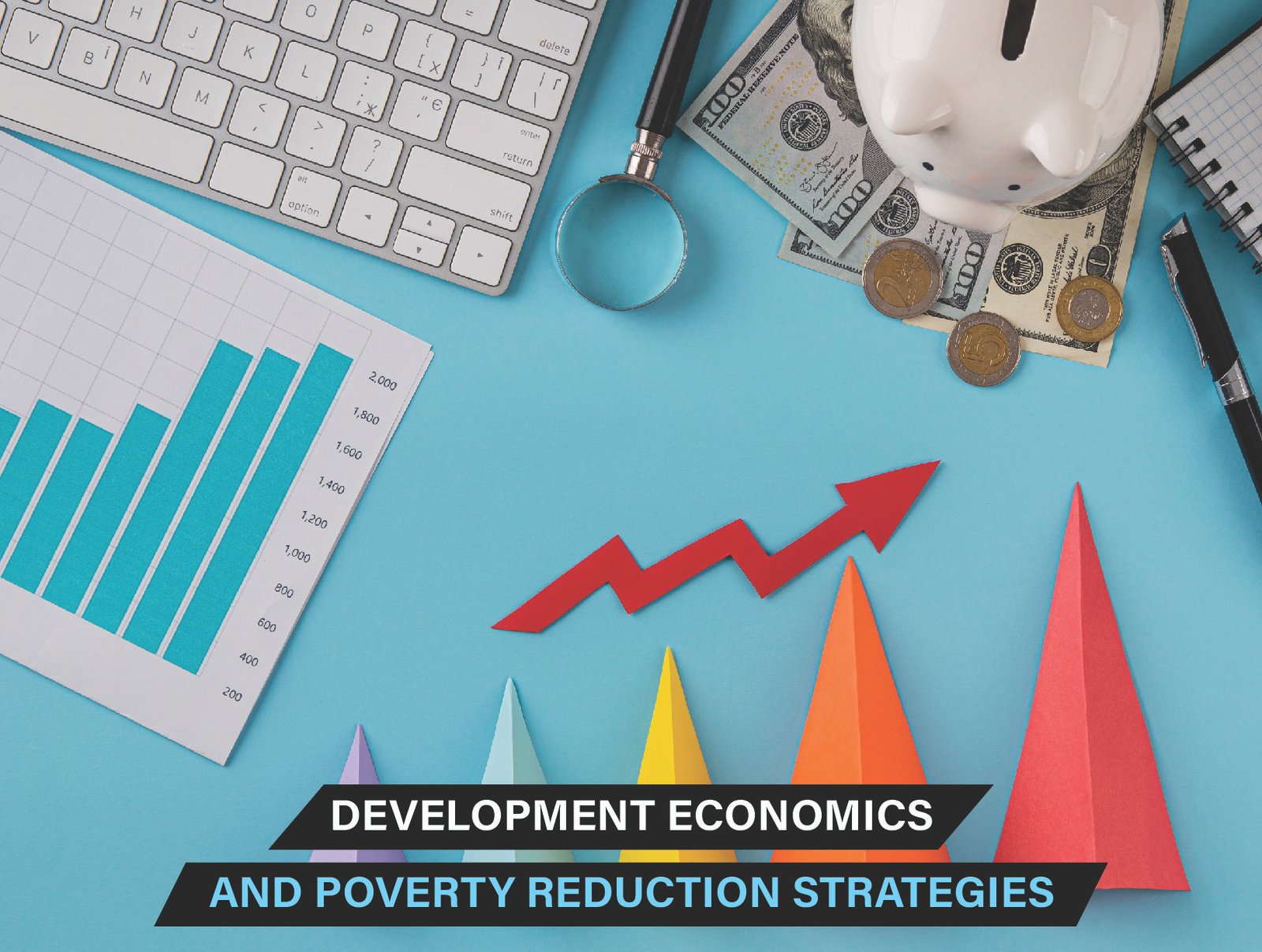
Development economics and poverty reduction strategies examines the way that nations can advance financial, social, and institutional climate to present lasting growth and diminish impoverishment. This is concerned with the comprehension of issues that developing countries encounter including low income, inequality and absence of infrastructure. The reduction of poverty is critical to the enhancement of living standards and inclusive growth development economics and reduction strategies play a central role . Such policies include education policies, healthcare policies, employment policies, and also social protection policies. This article discusses the relationship between development economics and reduction strategies and many forms of alleviating poverty, both the theoretical and the practical interventions. Learning about these ideas is important to policymakers, economists, and development professionals who are engaged in establishing fair economic development across the globe.
Economic Growth and Poverty Reduction
Economic growth is essential in alleviating poverty through creation of employment opportunities together with rising levels of income. But growth alone cannot obviously help in the alleviation of poverty; growth should be inclusive (not only the high income groups should stand to benefit but the marginal and the low income populations as well) and should be sustainable such that future generations do not run out of these resources. The inequality and long-term development can also be aggravated when growth becomes unbalanced or destructive of the environment. This poverty reduction should extend to all sectors of the society and this can be achieved through the inclusive economic policies that will enhance fair access to markets, infrastructure investment, and investment in the small business.
Inclusive Growth
Through inclusive growth, economic development becomes inclusive in such a way that it entails the benefit of all individuals of the society, especially the marginalized and the vulnerable groups. It is concerned with mitigating inequality in incomes and access to opportunities including; education, healthcare opportunities and employment. Countries that can involve disadvantaged groups in the growth process can work towards generating a stable economy by promoting social cohesion. Inclusive growth does not only enhance the effectiveness in poverty reduction but enables sustainable development to be in line by the fact that no individual is left behind.
Job Creation
Creation of jobs is one of the core poverty alleviation processes, because without employment people cannot have the guaranteed income and live a better life. Creation of more employment opportunities (particularly in the manufacturing sectors, services, and the agricultural sector) minimizes unemployment and underemployment. The increases in employment can be promoted through skills training and development, entrepreneurship stimulation and facilitating small and medium enterprises within the guidance both privately and by governments. Decent Work helps people and societies out of poverty and makes them contribute to economic development.
Investment in Infrastructure
Proper investment in infrastructure like roads, energy supply, telecommunication services and water systems is essential in the development of the economy. Good infrastructure reduces business costs, it provides better market access and increases productivity. It links the countryside with the urban with farmers and manufacturers selling their products more effectively. Quality infrastructure also helps in attracting both foreign and domestic investment which helps in boosting growth. In general, the development of infrastructure is a base that may facilitate the reduction of poverty because it contributes to carrying out economic processes and providing people with more favorable conditions to live.
Private Sector Development
The private sector is one of the major sources of economic growth, innovation as well as job creation. By being entrepreneurship and small businesses friendly, competition promotes innovation and creates employment. Improving the business environment, increasing avenues to finance, as well as the lowering of bureaucratic barriers that are used to hinder the growth of the private sector, are other ways that the private sector can be developed by the governments. An active private sector contributes to diversification of the economy, boosts productivity and allows communities to generate wealth, and is therefore very important in the reduction of poverty.
Sustainable Growth
Sustainable development is the type of growth that is characterized by its balancing between economic improvement and maintenance of natural resources and environmental safety. It entails using practices that reduce pollution, limit energy consumption and safeguard the ecosystem in a bid to achieve long-term prosperity. Sustainable development also assists in avoiding wastage of the resources that are important to the future generation and also, the vulnerability to the effects of climate change decreases. By considering environmental issues when it comes to the plans in the context of the economy, nations will be able to foster growth that is advantageous not only to human beings but to all the globe, facilitating the reduction of poverty in the long term.
Human Capital Development
Education inclusive of healthcare is vital as an investment in human capital to accelerate productivity and minimize poverty. Education trains people with skills and knowledge that make them work in better paying jobs, and when people are healthy, they are able to engage entirely in economic activities. Availability of good education and medical care enhance life time opportunities and overcome poverty cycle. Also, giving attention to gender equality and early development of children can develop the community and enhance sustainable economic development so that the vulnerable groups are not left behind.
Universal Access to Education
Access to education is universal and thus all children, irrespective of origin or locations, are guaranteed a chance to be in school. Essential skills creation and knowledge necessary to improve oneself and the economy can be done by reducing obstacles created by cost, distance or social discrimination. Education is said to enhance critical thinking, creativity and empowerment whereby individuals learn to advance their own livelihoods as well as supporting the society. It is a primary response to poverty trap and ensures non-discriminatory growth.
Vocational Training
There is vocational training that is more job-related and gives skills enabling one to take up a specific career or trade. This kind of education will fill the gap that exists between school and work, making one more employable and more likely to earn a salary. Vocational training will facilitate the demands in industries by emphasizing technical and professional skills, which will reduce the rate of unemployment among the youth. It also promotes lifelong learning and flexibility in a dynamic labor market, where laborers are allowed to play a constructive role towards the economy in terms of enhancing financial security.
Healthcare Services
Quality healthcare services make people live healthy lives and hence, everyone is productive in the economy. Sick populations have less capacity to work, to learn and to engage in community life. Vulnerable groups are benefited by the reduction of death and disease, indicated by preventive care, disease treatment, and maternal and child health care. Health expenditure can decrease poverty through less and more affordable healthcare and allowing citizens to sustain stable employment and education.
Gender Equality in Education
Among the advantages of promoting gender equality in education is the fact that it will guarantee girls and women equal access to education opportunities like boys and men. Ladies that are educated tend to contribute to the labour force, make health decisions, and provide economic empowerment to their families. Bridging the education gender gap empowers communities, lowers the rate of poverty, and encourages social equality. Giving women education is an essential part of sustainable development and decreasing poverty.
Early Childhood Development
Early childhood development aims at giving care, nutritional initiation, and educational training during early years in life which are considered as the most crucial years in life. Investing on the stage develops cognitive, emotional and social abilities that define life long learning and success. Early development programs minimize the educational disparities later in life and enhance health changes. Having a good background when they are young enables the babies to break the poverty cycle amongst families and prepares them to become productive adults.
Social Protection Programs
Social protection programs are also such safety nets that enable the vulnerable groups to cope with risks and economic shocks like unemployment, illness and natural calamities. Such programs are cash transfer, food aid, employment compensation and medical subsidies. Through temporary assistance, social safety nets would help in poverty and inequality reduction, empowering individuals to invest in education, health and productive work. Social protection is one of the most important elements of poverty reduction as it not only serves as the protective measure but also contributes to social inclusion and sustainable growth.
Conditional Cash Transfers
Conditional cash transfers (CCT) are financial support given to low-income families, conditioned by the compliance of the children with school or regular medical check-ups. The conditions promote good behaviors that will enhance education and wellness outcomes. CCTs will weaken short-term poverty, as the income augmentation of households and human capital growth will assist future poverty alleviation. Such specific support enhances the social inclusion process and overcomes the intergenerational cycle of poverty.
Unemployment Insurance
Unemployment insurance refers to a short-term financial security package to the people who lose their jobs. This safety net averts family poverty causing phenomena when families find themselves short of income in the event of a shift in job. Unemployment insurance helps individuals gain time to find new jobs that are appropriate by offering proper income in case one loses a job. It also balances the wider economy through keeping consumer spending in time of economic decline.
Food Assistance
The food assistance programs help to nourish the poor and needy people and families on food assistance programs who are hungry or malnourished. Such programs may involve food coupons, provision of food or subsidized food. Seeing to it that there is proper nutrition ensures the physical well being and intellectual growth, particularly among children. Food assistance is beneficial to vulnerable people as it enables them to fulfill their basic needs and also increases the likelihood of their full involvement in education and the labour market aiding in overall poverty alleviation.
Healthcare Subsidies
Healthcare subsidy makes medical subsidy more readily available by lowering the cost of medical care among the low-income groups. The subsidies will guarantee poor people obtain treatment, medication, and preventive care without incurring debt since they are at the mercy of protecting their finances. Low cost healthcare provides better health of the population, less absences in work and school, and less duration costs of healthcare. This assistance is crucial in breaking the cycle between ill health and continuous poverty.
Old Age Pensions
Pensions in old age are safe incomes to the old people who might have become out of work. The pensions ensure the seniors that they might not sink into poverty as they have the basic living costs which include food, shelter and healthcare covered by these pensions. Old age social security systems (old age pensions) deteriorate the economic vulnerability in old age, advance dignity, and diminish the family financial load. Pension is an important element of social protection measures in most of the countries.
Agricultural and Rural Development
Farming is a major income stream to the majority of the poor individuals, particularly, those residing in remote locations. To alleviate poverty in rural areas, it is necessary to improve agricultural output, open markets. Investments in infrastructures such as irrigation, roads, storage facilities, among others, may provide increases in farm-level efficiency and the decreased losses experienced in the post-harvest. The availability of credit to farmers, good inputs, and informing farmers would promote sustainable agriculture and diversification of sources of income. Empowering rural development helps in food security, enhances livelihoods and boosts economic growth in underdeveloped areas.
Access to Credit and Inputs
Farmers need to be able to access the crest and farming inputs such as seeds, fertilizers, and equipment to be able to increase crops production. Borrowing gives the small-scale farmer an opportunity to invest in improved technologies as well as practice with fatter operations. Most of the farmers are not able to come out of the low-yield cycles because of a lack of affordable credit. The result of providing financial services and quality inputs on crop production, income and food security means lifting rural populations out of the poverty status and this enhances sustainable agricultural development.
Land Reforms
They ensure property rights and equal distribution of land which will make farmers have confidence in investing in their land. Certainty in land ownership minimizes conflict and also serves as a loan security increasing agricultural output. The reforms will enable smallholders and marginalized groups to increase stability in the society as well as economic growth. A solid tenure is the key to rural development, as farmers will be able to make long term improvements and raise their standards with the stability of tenure.
Market Access
Market facilitation also allows the farmers to earn high returns of their produce and therefore alleviates poverty especially in the poor communities. Better access to the market may entail construction of roads, market information, or promotion of cooperatives. With effective supply chains, farmers do not get exploited by middlemen when they have the opportunity to sell their goods directly. The availability of multiple markets will also promote crop and income mix that will promote rural economies and increase shock resilience.
Sustainable Farming Techniques
Sustainable agriculture practices are geared towards raising the agricultural production without compromising the natural resources. Techniques involved in ensuring healthy soil and environmental biodiversity include crop rotation, organic fertilizers and water conservation. Such practices minimize the destruction to the natural environment and increase productivity in the long term, guaranteeing that the next generation can also use farming as a successful practice. Sustainable agriculture contributes to poverty minimization through enhancing food security and the ability to cope with climatic changes.
Rural Infrastructure
Infrastructure in the rural areas like roads, irrigation, and store facilities cut post-harvest losses and also decrease the costs of transport. Quality infrastructure reaching the farmers to the markets and services makes the farmers more efficient and profitable. Better irrigation enhances agricultural production through water availability, and storage enables there to be no wastage. Development and investment in rural infrastructure play a vital role in agricultural growth, enhancing the lives of the farmers and to wider poverty reduction objectives.
Governance and Institutional Reforms
poverty reduction strategies relies heavily on good governance and good institutions. Accountable, transparent governments will get the resources and aid to those who need them most and contribute towards the provision of a conducive environment in which the economy functions. The effectiveness of anti-corruption initiatives, regulation of law and decentralization enhance service delivery, and the levels of trust between the citizens and authorities. Moreover, the engagement of communities in the process of decision-making will encourage inclusiveness and responsiveness. Significant sources of sustainable development and alleviation of poverty are institutional reforms with the characteristic of reinforcing legal systems and greater efficiency of the third sector.
Anti-Corruption Initiatives
The anti-corruption campaigns are geared towards ensuring that the public resources are not misused and diverted as well as the social system of aid and development funds is provided to the expected beneficiaries. Corruption curtails the efforts of reducing poverty, as it elevates expenditure and decreases the output of the programs. The corruption practices can be identified and prevented through effective systems of enforcement of good laws, transparency, and earmarking. These initiatives help in the development of trust among the people and therefore enhance effective delivery of services that are important aspects of development and poverty alleviation through accountability.
Decentralization
Decentralization shifts power to make decisions on programs and services to local governments and hence providing more responsive and target service delivery. The authorities that are empowered at the local level are more in tune with what is indeed necessary by the community and end up distributing resources effectively. This enhances healthcare, educational and infrastructural access, particularly in areas where access is low: remote or underserved. Decentralization creates accountability and involvement of citizens in decision making and from that aspect inclusive growth can be achieved and thus alleviating poverty since it focuses on local issues.
Rule of Law
Leaders The rule of law represents fair but fair applications of laws, protection of property rights and enforcement of contracts. Such legal populism favoures investment and business since it ensures economic operations are conducted safely. By being confident in the system of law, people and companies are apt to indulge in constructive activities that generate employment and earnings. Maintenance of the rule of law is central towards promoting economic growth and sustainable reduction of poverty.
Transparent Public Services
Transparency in public service is about the clear and easy to understand information regarding the government expenditure, policies, and program results. It gives the citizens the chance to check those in office and cut down on chances of corruption or inefficiency. Open governance will make the available funds on the reduction of poverty very fruitful, as 100 percent benefits can be achieved. It also fosters trust between the governments and communities promoting collaborations and better institutions.
Community Participation
Community participation implies the inclusion of marginalized and vulnerable groups in all the trips and traps as far as development policies and programs are concerned. The diversity of voices helps to create equity and make sure that initiatives work according to the real needs of the population. Where communities are involved, there are high chances that they will support as well as be able to sustain the development processes. Involvement helps people realize their power, builds social cohesion and makes poverty reduction strategies more effective because they are more inclusive.
Conclusion :
The development economics and poverty reduction strategies provides essential information on the ways countries can develop economically but minimize poverty. Effective poverty decrease policy tools are varied and entail economic increase, learning, societal assurance, farm development, and government-based reforms. These components should operate optimally in unison to provide an atmosphere in which every citizen gets a chance to change his or her living standards. Policymakers need to embrace sustainable and broad based policies that eliminate the causes of poverty and inequality. The end result is to encourage a resilient, equitable economy that will bring all out of poverty and will encourage long term development.
Are you willing to expand your knowledge when it comes to the field of development economics and poverty reduction strategies? Discover the resources, engage in the discussions with specialists, and develop the efficient strategies. We could be able to build a sustainable world when united. Begin the learning process and change lives now!
FAQs
1. What then is development economics?
It examines the way that nations could enhance economic welfare and minimize poverty.
2. What is the way economic growth helps to poverty reduction strategies?
Among others, by offering employment to people and raising their levels of income, which can pull them out of poverty.
3. What are the common practices of poverty reduction strategies?
Educational policies, healthcare, social safety nets and economic inclusion policies.
4. Why should development be based on education?
It develops abilities and information that are required in improving employment and economic development.
5. What are the processes of the social protection programs?
They also offer services and financial aid to vulnerable groups during times of difficulty.
6. How does agriculture help in poverty reduction strategies?
It gives the poor many people their livelihood as well as increasing the rural incomes.
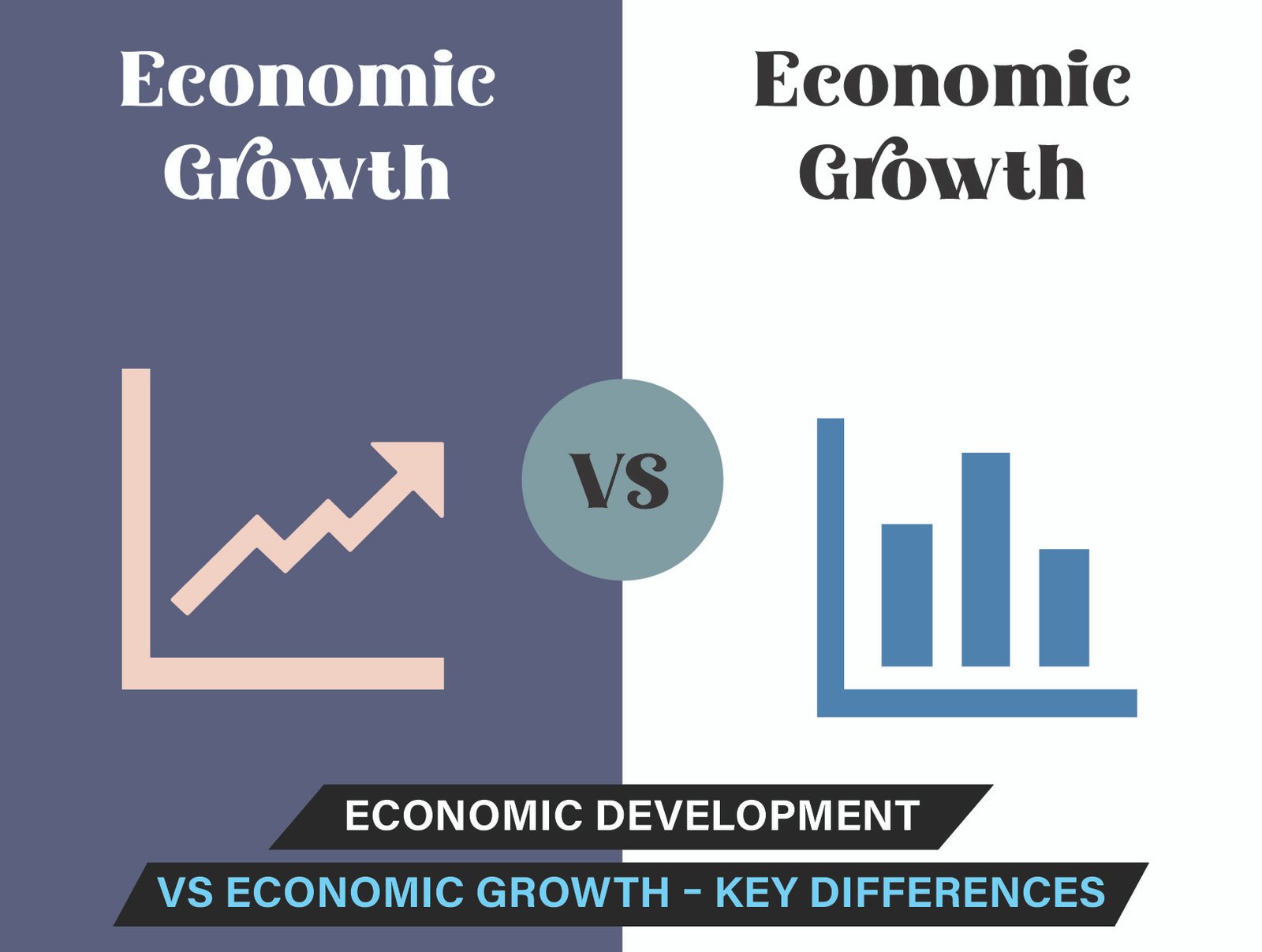
Economic development and economic growth are similar but distinct economic concepts. Economic growth is an upward trend that depicts the rise of the production and consumption of goods and services in an economy, which is usually in the form of an indicator such as Gross Domestic Product (GDP). On the other hand, economic development has a wider picture with respect to quality of life, poverty alleviation, education and health, and a sustainable environment. Whereas the growth is mainly quantitative, development is qualitative, with emphasis on how the economic growth can be translated into actual gains among the individuals. The clarification of the difference is essential to design policies that bring not only the accumulation of wealth but also inclusive and sustainable development. This paper discusses the major distinctions between economic growth and economic development, and the reasons why each is needed in the long term to develop a nation.
Defining Economic Growth
Economic growth consists of a rise in the value of goods and services produced by any economy over a period of time, and it is usually measured by Gross Domestic Product (GDP) or Gross National Product (GNP). It indicates the developments in the productive capacity of a nation and its financial performance. The development of the economy is also taken as one of the measures of success of a country because it implies growing incomes and consumption. Nevertheless, inasmuch as it will result in material success, growth, in itself, does not result in equitable distribution or greater well-being across all levels of life.
GDP as a Growth Indicator
The main indicator that measures economic growth is called Gross Domestic Product (GDP). It is computed based on how many goods and services a country has been able to produce in a certain amount of time and how much money that is. To measure the performance of economies, GDP gives an indication of the size and health of an economy. Although popular, GDP is centered on output and a measure of financial performance, but has nothing to do with the distribution of wealth, and the effects that the growth has on the environment and social welfare.
Short-Term vs Long-Term Growth
Economic growth is dependent on whether it is long term or short-term. The short-term growth tends to be derived as a result of the cyclical event such as consumer demand, government spending or a temporary market trend. Conversely, future growth is based on more basic transformations, including innovations in technology, upgraded infrastructure, and policy enactments. Although short-term growth may boost short-run economic activity, long-term growth is more sustainable, and indicates structural changes that increase productivity, employment and competitiveness over the long term.
Factors Influencing Growth
Economic growth is enhanced by several important elements which are capital investment, growing labour force, technological advancement, and improvement in productivity. Infrastructure and business development spendings will enhance capacity. An increasingly qualified workforce promotes further production and technology increases efficiency and innovations. The presence of steady governance, market accessibility and economic alluring policies are also very important. All these elements combine to generate an environment that is favourable in encouraging prolonged development and heightened national income.
Limitations of Growth Measures
In as much as GDP and other indicators have great use, there are significant limitations. Income distribution is not captured by these measures hence may disappear in rising inequality. Their services also do not take into consideration environmental degradation or unpaid labor among other social costs. Also GDP does not measure progress in terms of health education or general well being. This situation has led to the fact that an expanding economy can continue to face severe social and economic issues which is why it is important to pay attention to other indicators, complementary to the traditional growth rates.
Examples of Growth
There is industrialization, urbanization, or utilization of its resources in countries most of the time leading to the growth of the economy. An example that can be used is the economic growth of China since the 80s which occurred mainly due to large scale manufacturing, foreign investment and infrastructure building. In a similar case, countries such as Qatar and Saudi Arabia have recorded rampant development since the exports of oil as a natural resource have enabled them to develop. Such growth is however not always inclusive or sustainable and brings to the fore the need to create a balance between the expansion and the environment as well as social welfare.
Defining Economic Development
Economic development refers to a bigger concept that is aiming at improving the general welfare of people and their economic life. It involves growth in the fields of education, healthcare, housing, employment and social equity. However, development, unlike growth which is quantitative in nature, is qualitative in nature and shows transformation within the society structure. The goal of development is progressive integration into the extent to which development minimizes poverty, is sustainable and enables a long-term enhancement in human ability. It does not simply concentrate on income gains but looks at social, institutional, and environmental aspects that determine the way individuals live and prosper.
Human Development Index (HDI)
The United Nations has created such a composite measure as Human Development Index (HDI) in order to evaluate the human development level in a country. It carries life expectancy, education (mean and expected years at school) and gross national income per capita indicators. HDI provides a wider vision of development than GDP because more than how much an economy can produce is indicated about how well people live. It also assists in making comparisons at a more holistic level on well-being and levels of development among countries.
Poverty Reduction
One of the fundamental goals in economic establishment is to ensure that poverty is eliminated and that there is eradication of extreme poverty. This comprises enhancing access to food, shelter, education, health as well as job opportunities. Through development strategies, the emphasis is usually made to provide inclusive opportunity and social safety net to the vulnerable population. Poverty is not just about more money, but about dignity, empowerment and equality of access to fundamental services to allow people full access to economic and social life.
Infrastructure and Services
Infrastructure and other necessary public facilities have been closely connected with development. By investing in roads, clean water, electricity, healthcare and schools, there is an increase in productivity and living standards. Such services lay a basis of long-term development particularly in local and underserved regions. The realms of commerce and mobility are enabled by infrastructure and enabled public services are reliable so that the growth is not only enjoyed by the cities and richer communities.
Social Inclusion
Real economic growth must mean that all individuals and groups of people are beneficiaries of the progress, especially marginalized groups like women, ethnic minorities, persons with disabilities. The objective of inclusive development policies is to do away with social and economic discrimination that hinders equal involvement. This involves the propagation of equity in education, healthcare, as well as job opportunities. Social inclusion can create a stronger society that is more equal and with more sustainable economic results.
Sustainable Development
Sustainable development combines environmental management, economic development and social development. It focuses on wise use of natural resources in order to satisfy the needs of the present generation without affecting the future generations. The strategy entails renewable energy, development with conservation initiatives and development with climate resilience. The importance of sustainable development ensures the long-term welfare of people and preserves the ecosystems with an understanding that uncontrolled economic growth may result in pollution, destruction of biodiversity, and other environmental threats that damage the health and prosperity of human beings.
Differences in Focus and Scope
Economic development and economic growth largely vary in their main purpose and range. Growth is concerned about numerical expansion- the degree to which an economy generates and subsequently gets. However, development focuses more on qualitative gains, which are improved living conditions, access to basic amenities and social justice. Most commonly growth is measured using a financial value such as GDP however development is a more complex value that measures aspects of human welfare, equity and sustainability. Being aware of these differences is useful in the development of sound economic policies that will not favor output over the quality of life of the people.
Output vs Well-being
Economic growth only draws the increment in the amount of output produced- how much does the country produce and sell- by rarely taking into consideration the human experience behind the figures. Development, however, assesses upgrading of well-being, which covers access to education, care, and opportunities. Despite the fact that growth results in the increase of national wealth, development guarantees factual input of people in the wealth in the form of higher quality of life, equity and long-term sustainable social stability.
Economic vs Social Indicators
The most popular economic indicators provide further growth, including GDP, investment rates, or productivity. Development includes other social and health indicators into the lens, namely literacy rate, life expectancy, child mortality, and clean water availability. Such social indicators contribute to a better understanding of the development of a certain society, especially in terms of potential oversights and inequality that might be overlooked in terms of income. Both sets of indicators need to be put together so that effective development strategies can be made based on informed decisions.
Distribution of Wealth
A major distinction can be found concerning the treatment of income distribution between the two concepts. Such economic growth can mean more wealth without altering- or even widening the disparity between the rich and the poor. On the contrary, development focuses on the fair sharing of resources and opportunities. Policies that are development oriented, operate towards the creation of a more comprehensive and equal society so as to include every part of the population particularly the disadvantaged in the economic progress.
Environmental Impact
Growth tends to focus on the expansion of output at the cost of the environment, often deliberately and sometimes even at the cost of natural resources, either by deforestation, pollution, or overworking the natural resources. It is a more holistic approach; development encompasses environmental sustainability as an element. This implies creating a balance between economic goals and protection of the ecosystems and encouragement of green technologies, sustainable farming, and climate resilience. The long term environmental effects looked at in development strategies are overlooked by the growth measures.
Policy Implications
Economic growth policy frameworks are usually initiated to improve productivity, trade or investment. Some of the measures that are incorporated in development policies include enhancement of education, access to healthcare, environment and lessening inequality. These disparities of emphasis lead to very different policy priorities. A growth policy can incline in favor of deregulation or growth in the industry, whereas a development policy refers to human welfare, inclusive and sustainable growth.
Interrelationship Between Growth and Development
Economic development and economic growth go hand in hand; however, they are considered different. Increased revenues and the ability to invest in development factors are some of the sources of financial and structural resources required by growth to sustain development. Nevertheless, expansion does not necessarily result in development. In most of them, an alarming economic growth can easily contribute to inequity or even environmental damage unless properly handled. On the other hand, the long-term growth can be driven by development activities such as ensuring better education and healthcare because this increases human capital. There should be a holistic approach and what should be done is that growth and development should sustain and complement each other towards sustainable national development.
Growth as a Necessary Condition
Prolonged economic growth is usually regarded as a precondition to development as it benefits with the mobilization of funds to make investments in health, learning, and infrastructure. In the case of no economic growth, governments will be unable to finance social programmes or enhance the services that the government provides. Nevertheless, growth is not enough that can lead to development, instead, it should be channeled toward inclusive policies. So actually growth preconditions everything but the way it is divided and spent defines the way the growth will influence the well being of human beings.
Development Enhancing Growth
Growth and development may actively be used in the economic growth in terms of quality and productivity of labour involved. Making investments in health care, education and social stability enhances human capital which leads to increase in innovation and economic returns. E.g., a healthy person is more productive, educated people are better prepared for a highly qualified occupation. By doing this, development can become a leader into more permanent, long-term development by strengthening the principles of an effective economy.
Growth Without Development Risks
In situations where there is a growth in the economy without proportionate advancement in equity, education or sustainability of the environment, it can cause deep rooted social problems. The wealth could be concentrated among very few people with vastly populated poor people. Such rapid growth may as well lead to environmental degradation or overpopulation in the cities. Such problems destroy the long term growth and may cause social instability. These examples indicate that growth that is not accompanied by development can be detrimental as well as unsustainable.
Balanced Approach Needed
Economic strategies that ensure growth and development are well balanced because more output is a guarantee of better living standards. It implies the combination of macroeconomic policies and human development investments, environmental sustainability and social protection investments. The governments should also, in addition to GDP growth, focus on measuring and prioritizing outcomes of the human. The moderate course provides stronger economies and society in which prosperity is widely distributed.
Case Studies
A number of nations show the discrepancy or even synergy of growth and development. As an example, rapid economic growth is observed in some countries with rich resources but with fewer social achievements since the wealth was unfairly distributed or a lot of it was stolen. On the other hand, such countries as Costa Rica have made significant development gains, that is comparatively strong literacy and life expectancy, in spite of moderate growth in GDP. These cases indicate that growth could cause development only through experienced policy-making to transform economic growth into actual human development.
Measuring Progress: Tools and Indicators
Economic progress must be measured by different tools according to whether it concentrates on the growth or development of the economy. Economic growth is commonly monitored based on GDP, GNP and productivity. The other aspects of development entail multidimensional indicators such as the Human Development Index (HDI), a Gini coefficient indicator of inequality and poverty headcount ratios. These metrics provide more information as to the wellbeing of society, mobility and inclusion. The use of GDP alone alone can obscure injustices and the social issues, whereas development indicators give a more detailed idea of how economic activity is converted into human progress.
Growth as a Necessary Condition
Development is usually regarded as preconditioned by sustained growth of the economy since the money required to invest in health, education and other infrastructural works must be generated through economic growth. In the absence of economic growth the government might find it hard to finance social programs or develop better services. Nonetheless, growing is not enough, it must move forward in the direction of inclusive policies. The point is that growth prepares the ground but the question is how this growth is being shared and how it is being used to figure out the role it plays in human well being.
Development Enhancing Growth
Economic growth in an active form can be enhanced by development through the increase in the quality and productivity of the labor force. Human capital is built when investments are made in health care, education and social stability, which subsequently boost innovation and economic output. An example is given by healthier people who are productive and a population that has education better placed in skilled labor. Through this form, development can stimulate growth that is more sustainable and longer-term because it strengthens the pillars of an efficient economy.
Growth Without Development Risks
In the case where there is development in the economy without any corresponding development in terms of equity, education or environmental sustainability, serious social ills may result. The money can be accumulated among a few individuals and the rest of the community can be poor. High and uncontrolled growth may also be a source of environmental degradation or overcrowding of cities. These challenges sabotage development in the long-term and might result in social instability. Such are the cases, which demonstrate that development-less expansion can be harmful and unsustainable.
Balanced Approach Needed
The greatest economic policies are those that are able to maintain a balance between growth and development because of the fact that when more is produced, then a greater living standard should follow. This is the incorporation of macro-economic policies in entrenchments of investments in human development, environmental sustainability, and social protection. Governments are also required to think beyond growth in GDP and take into account and prioritize the human outcomes. This creates less vulnerable economies and a more prosperous society shared by all.
Inclusive Growth Strategies
Inclusive growth provides that the fruits of economic growth be distributed widely to all layers of society. This entails the focus on policies of employment, making of the countryside and small business. Inclusive strategies enhance equality and social stability as opposed to growth which only favors a small number of people. As an example, spending on education, medical care, and social security can elevate those that were marginalized and assure sustained and fair progress. The objective is to match development with equitability and chances to everybody.
Conclusion :
Economic growth and economic development are the basic, yet differentiated terms to comprehend the progress of a country. Growth is measured on how to maximize on economic output, whereas development is a variation of how human beings and welfare fair, equity and sustainability. It is important that policymakers understand that growth is not a guarantee of greater living standards. Rather, there would be positive, long-term growth through comprehensive focus on social, environmental, and economic aspects. The right balance of growth and development is the key to creating robust economies and the enhancement of the quality of life that all the citizens need.
Are you willing to expand your knowledge of economic progress? Read our comprehensive articles on financial policies, sustainable changes and social justice. Be connected and be part of the discussion of the future that can be developed so that everyone would grow and the generations after would prosper and live well.
FAQs
1. What is the major distinction between economic growth and development ?
The concept of growth is associated with an increase in output whereas the concept of development is the elevated living standards.
2. Is it possible to make a country develop without economic growth?
Yes, a nation may become economically better without social well being improving.
3. What is wrong with GDP as a measure of development?
GDP does not make any calculations with regard to inequality, health, education or environmental sustainability.
4. What is the measurement of economic development?
The indicator of development includes HDI, literacy and life expectancy among others.
5. Does economic development require economic growth?
Development is facilitated with the growth and not assured by the growth.
6. How does government policy contribute to development?
Development is through investment and social inclusion instigated by government policies.

Role of Technology in Economic Development

Understanding Development Economics and Poverty Reduction Strategies

Economic Development vs Economic Growth – Key Differences

How to Improve Productivity in Developing Economies

Best Practices for Sustainable Economic Development

Importance of Infrastructure in Economic Development

The Role of Government in Economic Development

How to Measure Economic Development Effectively

Development Economics Strategies for Economic Growth

How to Boost Economic Growth in Developing Countries

Understanding Basic Development Economics Strategies for Economic Growth

Essential Theories in Development Economics

Simple explanations of development economics models

How to develop policies using development economics

Key Principles of Development Economics for Researchers

Understanding the Application of Development Economics in Real-World Scenarios

Development Economics Concepts Explained for Students

Step-by-Step Guide to Development Economics for Beginners

How to Study Development Economics Effectively

Best Tips for Understanding Development Economics
Step-by-Step Guide to Development Economics for Beginners
Economic Development vs Economic Growth – Key Differences
Understanding Basic Development Economics Strategies for Economic Growth
Essential Theories in Development Economics
Simple explanations of development economics models
Understanding the Application of Development Economics in Real-World Scenarios
The Role of Government in Economic Development
Role of Technology in Economic Development
Development Economics Concepts Explained for Students
How to develop policies using development economics
How to Improve Productivity in Developing Economies
How to Boost Economic Growth in Developing Countries
Understanding Development Economics and Poverty Reduction Strategies
Best Tips for Understanding Development Economics
Development Economics Strategies for Economic Growth
How to Measure Economic Development Effectively
Importance of Infrastructure in Economic Development
Key Principles of Development Economics for Researchers
How to Study Development Economics Effectively
Best Practices for Sustainable Economic Development
Role of Technology in Economic Development
Understanding Development Economics and Poverty Reduction Strategies
Economic Development vs Economic Growth – Key Differences
How to Improve Productivity in Developing Economies
Best Practices for Sustainable Economic Development
Importance of Infrastructure in Economic Development
The Role of Government in Economic Development
How to Measure Economic Development Effectively
Development Economics Strategies for Economic Growth
How to Boost Economic Growth in Developing Countries
Understanding Basic Development Economics Strategies for Economic Growth
Essential Theories in Development Economics
Simple explanations of development economics models
How to develop policies using development economics
Key Principles of Development Economics for Researchers
Understanding the Application of Development Economics in Real-World Scenarios
Development Economics Concepts Explained for Students
Step-by-Step Guide to Development Economics for Beginners
How to Study Development Economics Effectively
Best Tips for Understanding Development Economics
-
 General Development Economics Tips9 months ago
Step-by-Step Guide to Development Economics for Beginners
-
 Economic Growth and Development6 months ago
Economic Development vs Economic Growth – Key Differences
-
 General Development Economics Tips8 months ago
Understanding Basic Development Economics Strategies for Economic Growth
-
 General Development Economics Tips8 months ago
Essential Theories in Development Economics
-
 General Development Economics Tips9 months ago
Simple explanations of development economics models
-
 General Development Economics Tips9 months ago
Understanding the Application of Development Economics in Real-World Scenarios
-
 Economic Growth and Development6 months ago
The Role of Government in Economic Development
-
 Economic Growth and Development6 months ago
Role of Technology in Economic Development


